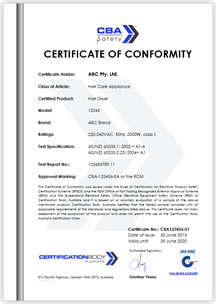
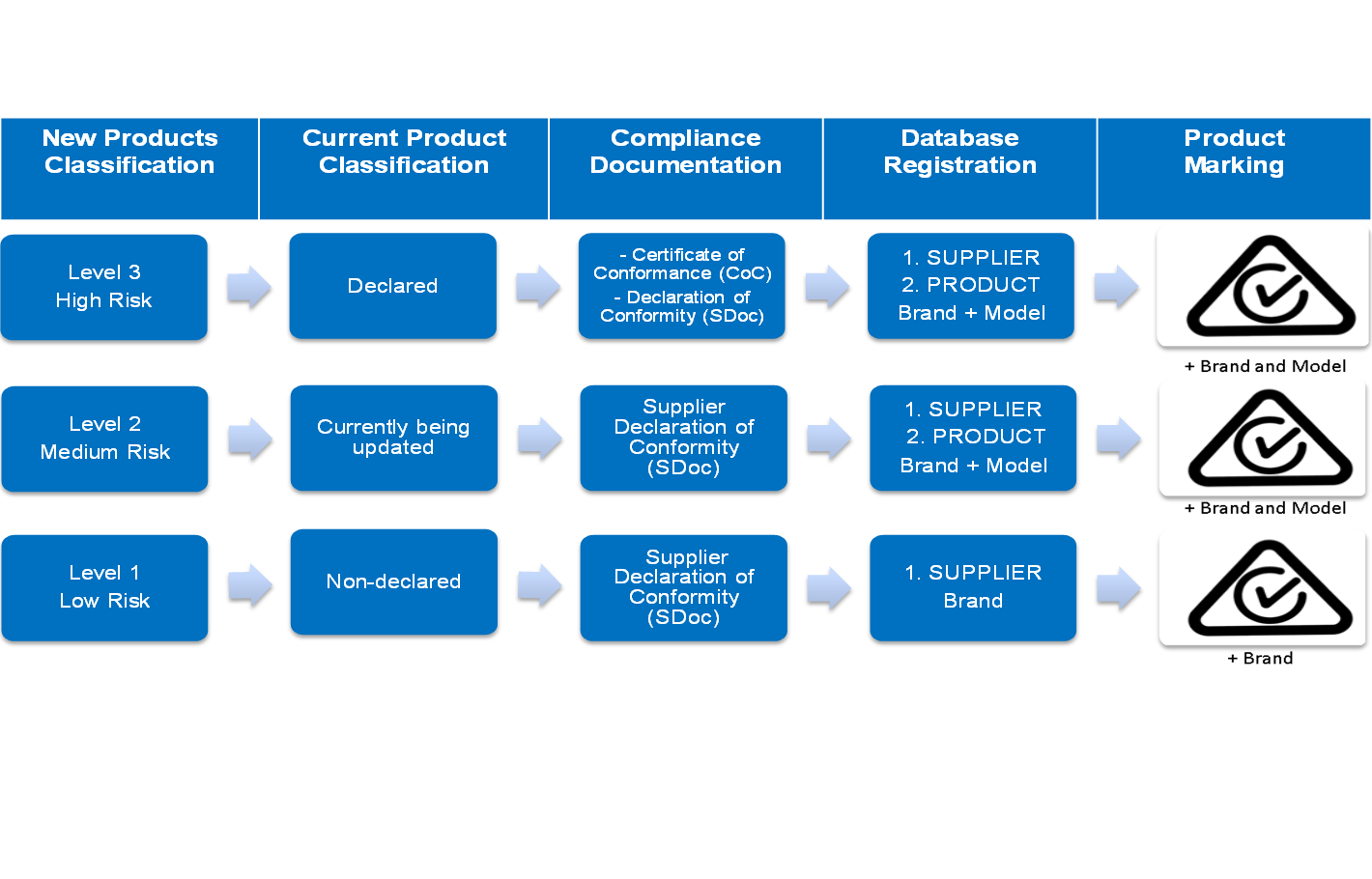
From 30 June 2018 – Nightlights Risk Level 3 under the EESS, certificates and registration required
For full details please read the information notice from the Electrical Safety Office, Queensland:-
For full details please read the Information Notice from the Electrical Safety Office, Queensland :-
Information notice – LED lamps (self-ballasted) v1.1
Product safety a priority.
ACCC chairman Rod Sims has reaffirmed support for introducing a general safety provision into Australian Consumer Law to reduce the risk of unsafe goods entering the market.
Speaking at the National Consumer Congress in Sydney, Sims said the new policy sets out how the ACCC will manage product safety risks, and the issues it will target in 2018. “As an agency, it is essential we prioritise our product safety resource allocation,” he said.
This year, the ACCC will be targeting nine critical safety issues facing Australian consumers that include: reducing the risk from button batteries and toppling furniture; products supplied over the internet and reviewing compulsory safety standards and bans to make sure these are working and businesses are complying.
Read the full article here.
The ACCC is co-leading an international safety campaign urging parents and carers to anchor unstable furniture and large TVs to the wall to prevent infant deaths and serious injuries.
The consumer watchdog is joining the Organisation for Economic Cooperation and Development (OECD) and 18 other regulators from around the world in alerting consumers to the dangers of unstable furniture and large TVs.
Suppliers are also being urged to take immediate steps to improve the stability of these products and supply anchors at the point of sale.
Buying tips
Safety tips
To read full article visit the ACCC website
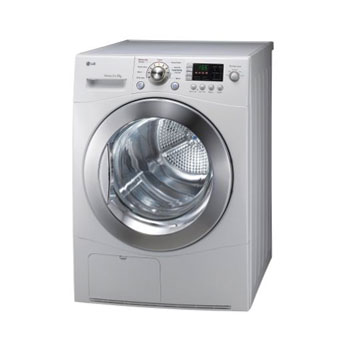
….. “Whitegoods importers and retailers must be vigilant about sourcing pre-charged (gassed) whitegoods to ensure Australia’s regulation standards are maintained. Not all whitegoods coming from overseas meet Customs (Prohibited Imports) Regulations 1956, specifically Schedule 10. While overseas suppliers offer the goods for sale, it doesn’t mean they meet standards in Australia. The responsibility is on the Australian buyer or importer to source responsibly. For large quantities of whitegoods, obtain the required permit from the Department of Environment and Energy. For small quantities exempt from permits, know your limits on quantity and gases permitted.”
Read the full article in Appliance Retailer for August 2017.
Details of Ozone Depleting Substance/Synthetic Greeenhouse Gas Equipment Licences (EQPL) and requirements are available on the Department of Environment and Energy website.
Optus will start switching off its 2G mobile network from April 2017 and Vodafone’s 2G network will turn off in September 2017. Telstra already shut down its 2G mobile network at the end of 2016.
The Optus 2G network in WA and NT will switch off on 3 April 2017 and in SA, QLD, VIC, NSW, TAS and ACT it will switch off on 1 August 2017.
Most 2G customers will need to either upgrade their SIM or handset to continue to receive service. Contact your service provider to find out what your options are.
For further information see the Australian Mobile Telecommunications Association website.
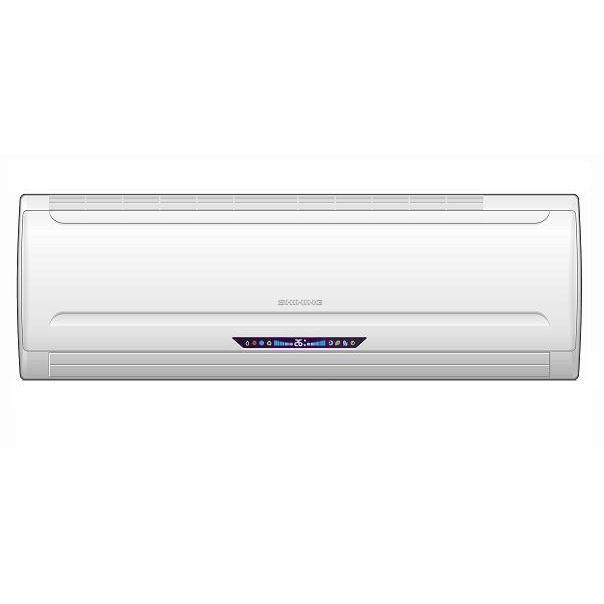
There has been a change to the regulatory requirements of air conditioning units in Queensland. These units are “in-scope” equipment and primarily designed for use in residential homes.
1. At 29 January 2017, air conditioning units that incorporate flammable refrigerants were classified as risk Level 3 under the Electrical Equipment Safety System (EESS).
2. Responsible suppliers of this equipment must now be registered on the EESS database and register the equipment using a Certificate of Conformity.
Additionally, the units are required to be marked with the Regulatory Compliance Mark (RCM).
Note: these changes only apply to units manufactured/imported into Australia after 29 January 2017. Those units manufactured or imported prior to this date, that comply with the relevant standard, and have already been sold by a registered responsible supplier to a third party to on-sell, may continue to be on-sold until the supply is exhausted.
3. Air conditioners that use non-flammable or low flammable refrigerants are currently Level 1. They will become Level 2 on 1 June 2018.
For more information visit the ERAC website
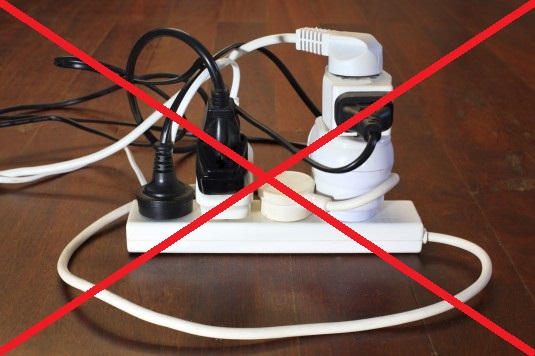
Problems with power boards can arise from:
Some simple safety tips:-
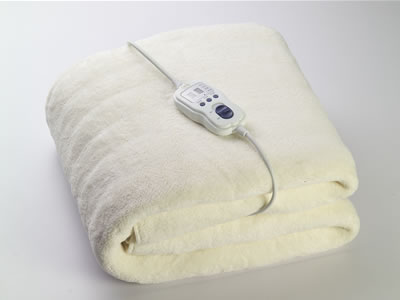
With the arrival of cooler nights, the electric blankets come out of the closet. Do you know if your electric blanket is still safe to use?
Is your blanket more than 10 years old?
If so, best to replace it as over time the electrical components and wires will wear even if the cover looks good.
Is it a washable electric blanket?
If so please read the instructions carefully and make sure the blanket is fully dry before placing it on your bed and turning it on.
Before placing the blanket on your bed.
Turn the blanket on to ensure that it is in good working order. Check the wires for kinking and wear.
Do not sleep with the blanket on.
Children especially are prone to overheating if the blanket is left on overnight.
Are you using your electric blanket underneath an underlay/underblanket or mattress protector?
If so, check that the instructions allow this. Unless otherwise stated, all electric blankets should sit on top of underlays/mattress protectors. The undersurface of underlays/mattress protectors are not designed to take intense heat especially if they have a waterproof coating.
Check the Recalls website to see if there have been any recalls of electric blankets.
© 2015 Certification Body Australia. All rights reserved.